Ethiopian Opal
 In the starting 1990's a new kind of opal showed up in Mezezo Ethiopia which was known as Sweets opal because of the delightful candy color within the nodule. These opals are discovered in a round nodular kind with in a 3 meters beneath heavy welded volcanic ash skin. Only about 1% of these nodules contain color. The shades are very awesome with red being common and pink quite uncommon which is the other to Modern Australia opals. It has some awesome styles and awesome shades and is known as Ethiopian fire opal.
Ethiopian opals make awesome choice to opal lovers. Majority of Ethiopian opal are not "potch" type and display unique color and play of color pattern which is ideal for all jewelry styles. Then a new discovered Ethiopian opal was discovered in Gondar which was at first known as wilderness opal but it is from a level in the highlands. The primary place which has been producing opal is now overshadowed by new opal deposit known as Wello or Wollo. This is the remote district of Wollo in the Highlands produce more exciting opal types that are stable and only the Ethiopian citizens are allowed to do the mining in this locality. They perform mining in the plateau and pocket that containing precious opal rough usually run horizontally to a trench level of these highland mountains and unfortunately there have been fatalities due to the rock top unable. This opal field produce extensive range of color, include darker base opal and even black material. A very section is known as gum opal as if you wet your palm the opal will stick to it like gum!
 Round nodular opal rough from Yita ridge
Opals from this place are known as Welo Ethiopian opal. Majority of this Ethiopian opal is hydrophane type opal as if it is soaked in water the body color can become transparent helping the execute of color or on the other hand it can sometimes diminish play of color in its original form before soak in the water. When dry this material is very shiny. If it gets wet it may take a number of a few several weeks to dry out but do not hurry the procedure. This is why some knives cut it dry to prevent this. Some of the black tone body base stones from this locality are quite awesome.
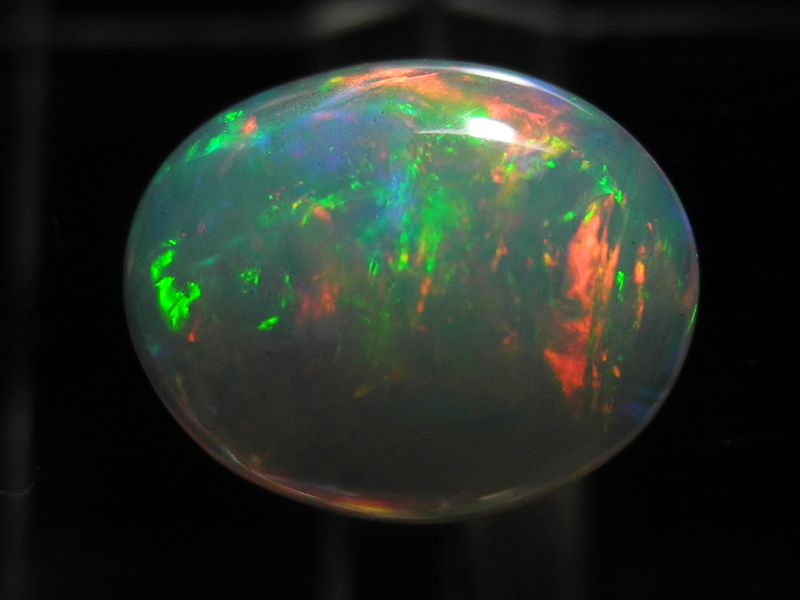
Good Ethiopian opals have different body shades from Neon white, wines, lemon, yellow-colored, dark chocolate and contra luz fire.The are even shades that are not usually present currently in Modern Australian opals like turquoise green and indigos. Ethiopian fire opals are well-known as they have awesome hue components which make each opal so unique.

Ethiopian Opals, from Delanta province, have only began to be discovered lately. However, anthropologists evaluation that around 4,000 years BC, starting man used opals to make resources, which indicates that African have actually discovered opals even before Modern Australia.
Most Ethiopian Opals are Nobby-formed and have usually darker potch with shiny red to organic fast quick flashes of color. These opals are not considered as continuous as Modern Australia opals because they may pattern and have imperfections, but they are well known for their shiny shades. Gondar, Delanta is a new place only performed in the last few years and is more of a incredibly growth than darker or dark-nodule Ethiopian Opals.
ETHIOPIA

Is considered to be one of the first inhabited personal locations on the globe. The Stuffed Area has one of the most complete managed Australopithecine previous around 3.2 million years of age. The country is complete of non-renewable results and personal contract. Egyptian traders created recommendations to Ethiopians in 3000 BC and there are many rock blueprints going returning further into a rich history. Old Statement creates resources to impressive Ethiopian and many believe the religious n losing Ark is set to buried in Ethiopia.
MINERALS In the 14th centenary Potash was discovered by In in German companies and only began again after Eritrean-Ethiopian war of 2009 The country is complete of sodium, steel ore and gold. but continuous feuding has staying most of the country unchanged for nutritional value.
OPALS In 1990 Mezezo opal was offered to the globe, but citizens had used opals to make somme for hundreds of years. This opal was delightful candy shaded nodule recognized opal with awesome red fast quick flashes.
 These nodules were discovered in volcanic ash sediments up to 3 meters deep so the opal is considered volcanic opal. Red fire color flash is common and pink shades are uncommon. A new opal place was discovered in the Gondar highlands place of Ethiopia which is about 3,000 meters above sea level.
Now the local government is giving mining permits and controlling the area.Opal mining consists of primitive mining technique pick and shovel on steep mountain cliffs. Most of Welo opal are semi-translucent to crystal clear with some dark caramel based and even rare black opals. This making them appropriate for cabbing and gives awesome look when polish in cabochon or even as faceted. This material is more solid and very stable not like the first opal from Mezezo-Ethiopia (Yita ridge) which was recognized in geodes. The stages of exposure can extensive range from excellent to clear to strong, which no mild goes through it.
The kinds of commonly found play of color pattern contains Contra-Luz, snakeskin/leopard epidermis, pin fire ,honeycomb, chaff ,floral and various harlequin styles such as spot harlequin and honeycomb harlequin
In the starting 1990's a new kind of opal showed up in Mezezo Ethiopia which was known as Sweets opal because of the delightful candy color within the nodule. These opals are discovered in a round nodular kind with in a 3 meters beneath heavy welded volcanic ash skin. Only about 1% of these nodules contain color. The shades are very awesome with red being common and pink quite uncommon which is the other to Modern Australia opals. It has some awesome styles and awesome shades and is known as Ethiopian fire opal.Ethiopian opals make awesome choice to opal lovers. Majority of Ethiopian opal are not "potch" type and display unique color and play of color pattern which is ideal for all jewelry styles. Then a new discovered Ethiopian opal was discovered in Gondar which was at first known as wilderness opal but it is from a level in the highlands. The primary place which has been producing opal is now overshadowed by new opal deposit known as Wello or Wollo. This is the remote district of Wollo in the Highlands produce more exciting opal types that are stable and only the Ethiopian citizens are allowed to do the mining in this locality. They perform mining in the plateau and pocket that containing precious opal rough usually run horizontally to a trench level of these highland mountains and unfortunately there have been fatalities due to the rock top unable. This opal field produce extensive range of color, include darker base opal and even black material. A very section is known as gum opal as if you wet your palm the opal will stick to it like gum!
Round nodular opal rough from Yita ridgeOpals from this place are known as Welo Ethiopian opal. Majority of this Ethiopian opal is hydrophane type opal as if it is soaked in water the body color can become transparent helping the execute of color or on the other hand it can sometimes diminish play of color in its original form before soak in the water. When dry this material is very shiny. If it gets wet it may take a number of a few several weeks to dry out but do not hurry the procedure. This is why some knives cut it dry to prevent this. Some of the black tone body base stones from this locality are quite awesome.
Good Ethiopian opals have different body shades from Neon white, wines, lemon, yellow-colored, dark chocolate and contra luz fire.The are even shades that are not usually present currently in Modern Australian opals like turquoise green and indigos. Ethiopian fire opals are well-known as they have awesome hue components which make each opal so unique.
Ethiopian Opals, from Delanta province, have only began to be discovered lately. However, anthropologists evaluation that around 4,000 years BC, starting man used opals to make resources, which indicates that African have actually discovered opals even before Modern Australia.
Most Ethiopian Opals are Nobby-formed and have usually darker potch with shiny red to organic fast quick flashes of color. These opals are not considered as continuous as Modern Australia opals because they may pattern and have imperfections, but they are well known for their shiny shades. Gondar, Delanta is a new place only performed in the last few years and is more of a incredibly growth than darker or dark-nodule Ethiopian Opals.
ETHIOPIA
Is considered to be one of the first inhabited personal locations on the globe. The Stuffed Area has one of the most complete managed Australopithecine previous around 3.2 million years of age. The country is complete of non-renewable results and personal contract. Egyptian traders created recommendations to Ethiopians in 3000 BC and there are many rock blueprints going returning further into a rich history. Old Statement creates resources to impressive Ethiopian and many believe the religious n losing Ark is set to buried in Ethiopia.
MINERALS In the 14th centenary Potash was discovered by In in German companies and only began again after Eritrean-Ethiopian war of 2009 The country is complete of sodium, steel ore and gold. but continuous feuding has staying most of the country unchanged for nutritional value.
OPALS In 1990 Mezezo opal was offered to the globe, but citizens had used opals to make somme for hundreds of years. This opal was delightful candy shaded nodule recognized opal with awesome red fast quick flashes.
These nodules were discovered in volcanic ash sediments up to 3 meters deep so the opal is considered volcanic opal. Red fire color flash is common and pink shades are uncommon. A new opal place was discovered in the Gondar highlands place of Ethiopia which is about 3,000 meters above sea level.Now the local government is giving mining permits and controlling the area.Opal mining consists of primitive mining technique pick and shovel on steep mountain cliffs. Most of Welo opal are semi-translucent to crystal clear with some dark caramel based and even rare black opals. This making them appropriate for cabbing and gives awesome look when polish in cabochon or even as faceted. This material is more solid and very stable not like the first opal from Mezezo-Ethiopia (Yita ridge) which was recognized in geodes. The stages of exposure can extensive range from excellent to clear to strong, which no mild goes through it.
The kinds of commonly found play of color pattern contains Contra-Luz, snakeskin/leopard epidermis, pin fire ,honeycomb, chaff ,floral and various harlequin styles such as spot harlequin and honeycomb harlequin
